
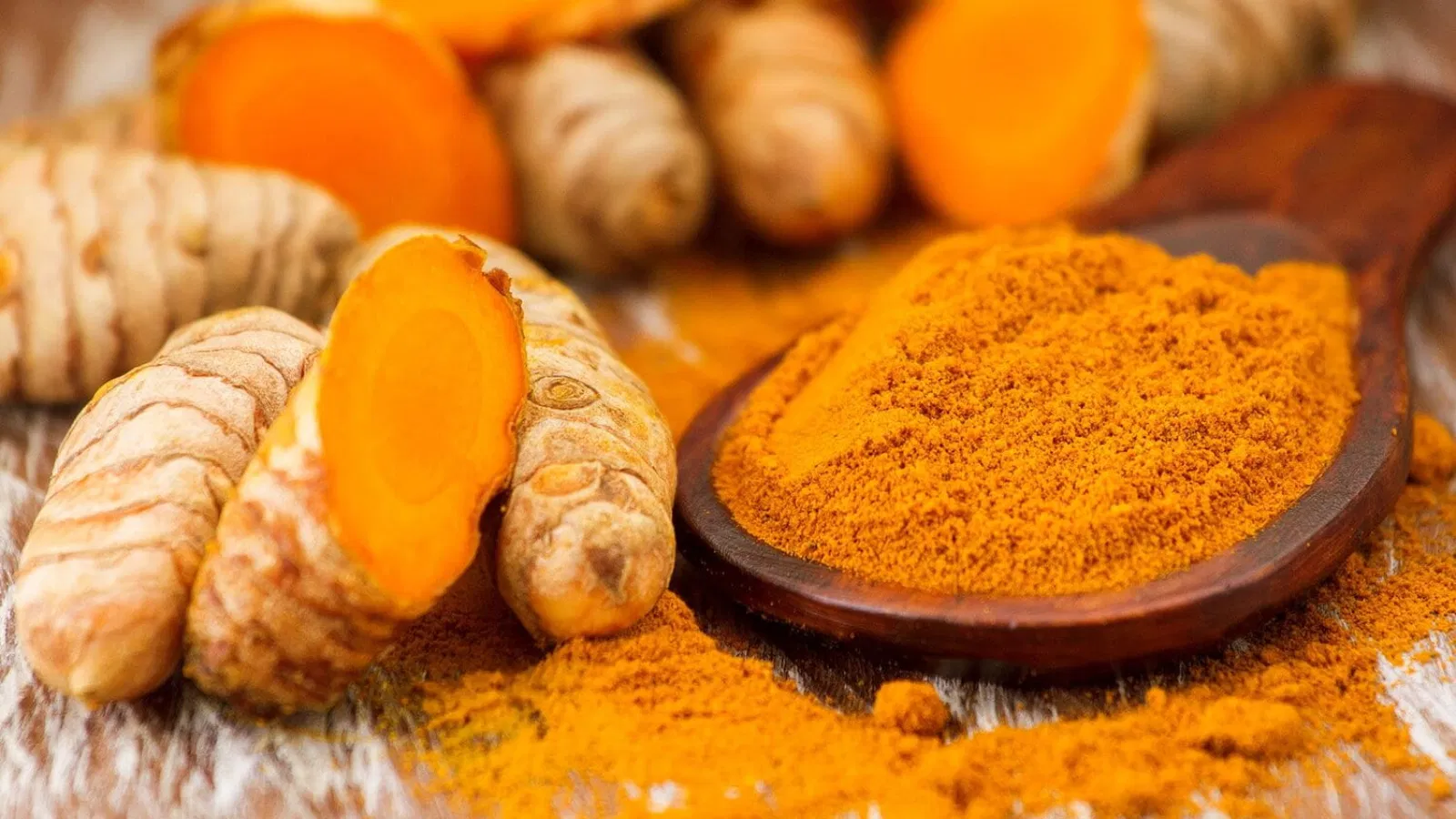
Turmeric: Planting And Package Of Practices
Turmeric, also known as Indian saffron, holds immense value and demand across various sectors. Not only is it used as a condiment, dye and part of religious ceremonies, but it has also gained significance in the drug and cosmetic industries due to its medicinal properties. The versatility and widespread use of turmeric ensure a consistent demand, making it a profitable crop to cultivate. So, don’t hesitate to embrace the benefits of turmeric farm. Learn in detail on how to grow turmeric crop to increase your farm productivity.
Ideal Growing Conditions for Turmeric
- Climate: Warm and humid, with temperatures between 20°C to 35°C. Annual rainfall of 1500 mm is ideal.
- Soil: Well-drained red or clay loam soils with a pH range of 4.5 to 7.5.
Best Varieties of Turmeric for Different Regions
| States | Varieties |
|---|---|
| Tamil Nadu | CO1, BSR 1, BSR 2, Erode local, Salem local |
| Karnataka | Kasturi, Mundaga, Balaga, Yalachaga |
| Andhra Pradesh | Duggirala, Kodur type, Sugantham, Kasturi, Tekurpeta, Pragati, Nizamabad bulb, Armor |
| Maharashtra | Sangli, Rajapore, Kolhapur |
| Telangana | Roma, Suroma, Rajendrasonia, Ranga, Pragathi, Armoor |
| Kerala | Allepey, Sudharsana, Suvarna, Wynad |
| Orissa | Jobedi, Dughi, Katigia, Ranga, Suroma, Roma |